Seismic Computing Timeline

A Brief History of HPC in Oil and Gas

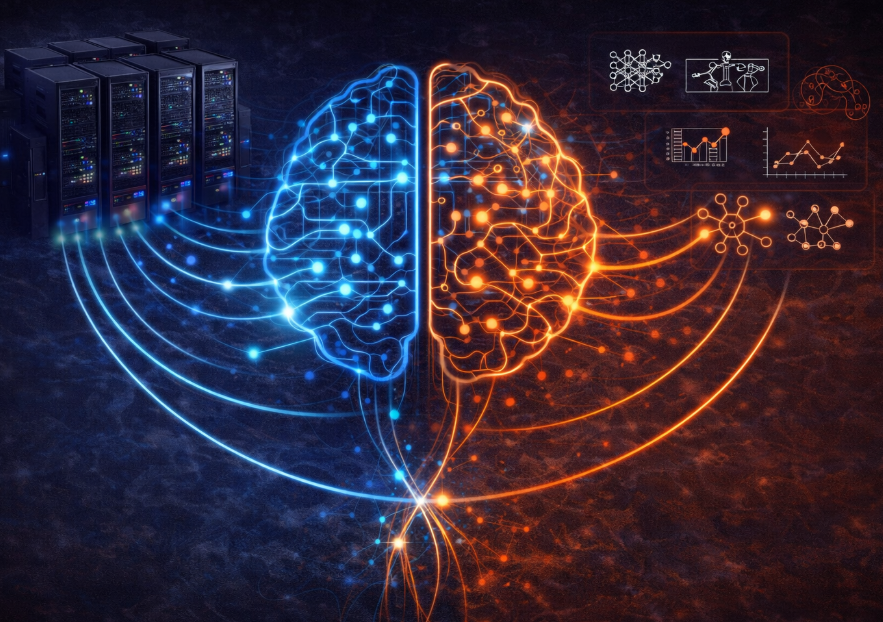
The history of high-performance computing in oil and gas is largely the history of seismic imaging becoming more physically realistic, more data-intensive, and more computationally demanding. The industry moved from analog trace handling to mainframes, vector supercomputers, parallel clusters, GPU systems, and now hybrid AI plus physics platforms.

Core pattern

As seismic algorithms moved from stacking to migration, RTM, and FWI, compute requirements increased by orders of magnitude.

Data growth

Typical seismic projects grew from analog records and megabyte-scale digital surveys to modern 100 TB to multi-petabyte programs.

Architecture shift

Mainframes gave way to vector systems, then distributed-memory clusters, and finally GPU-dense platforms with very high I/O throughput.

Why oil and gas mattered

Seismic processing consistently pushed memory bandwidth, storage bandwidth, and large-scale numerical simulation harder than most commercial workloads.

Timeline

Each era below marks a step change in what the industry could image, how much data it could process, and what computing architecture was required to keep up.

1930s–1950s

Analog foundations

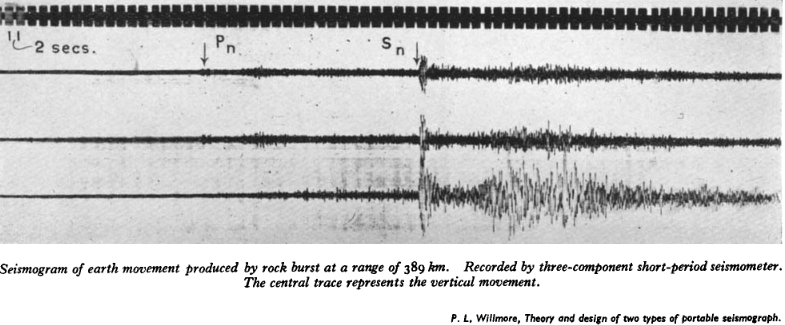
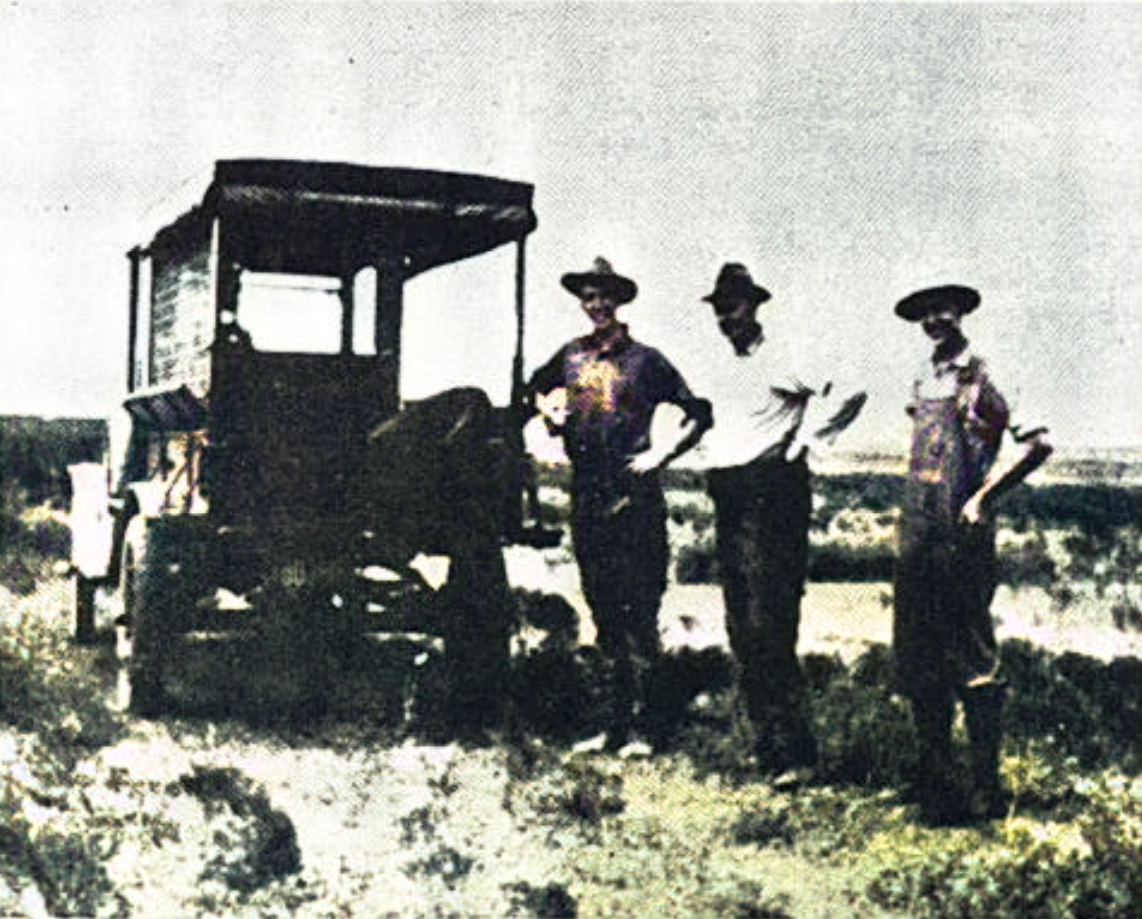
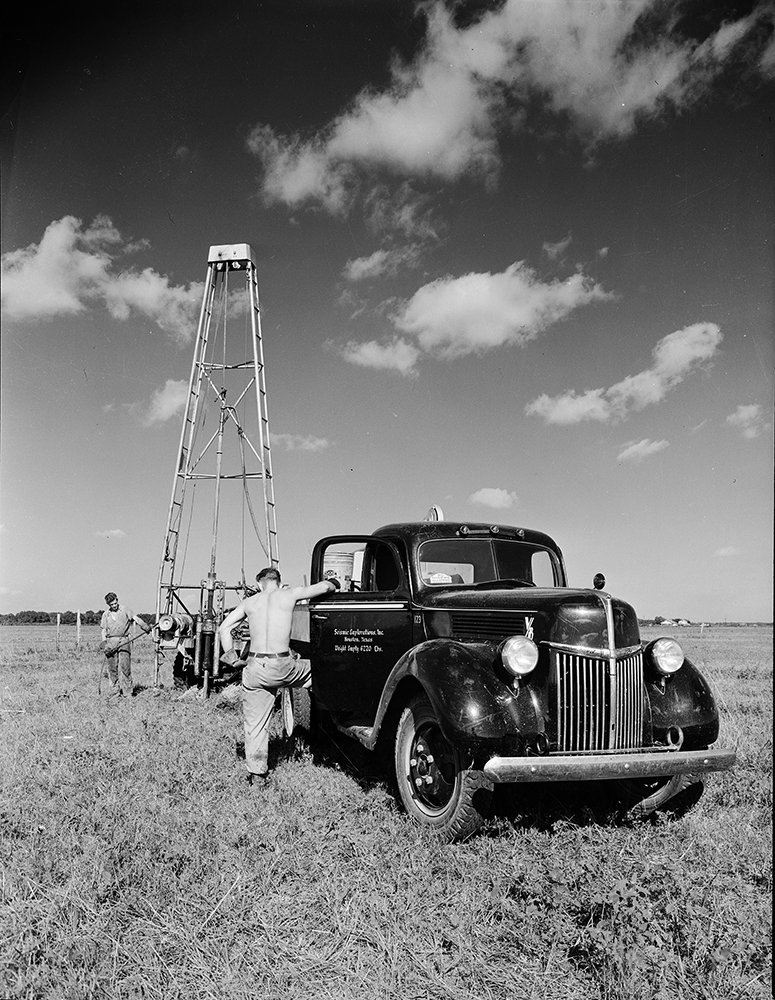
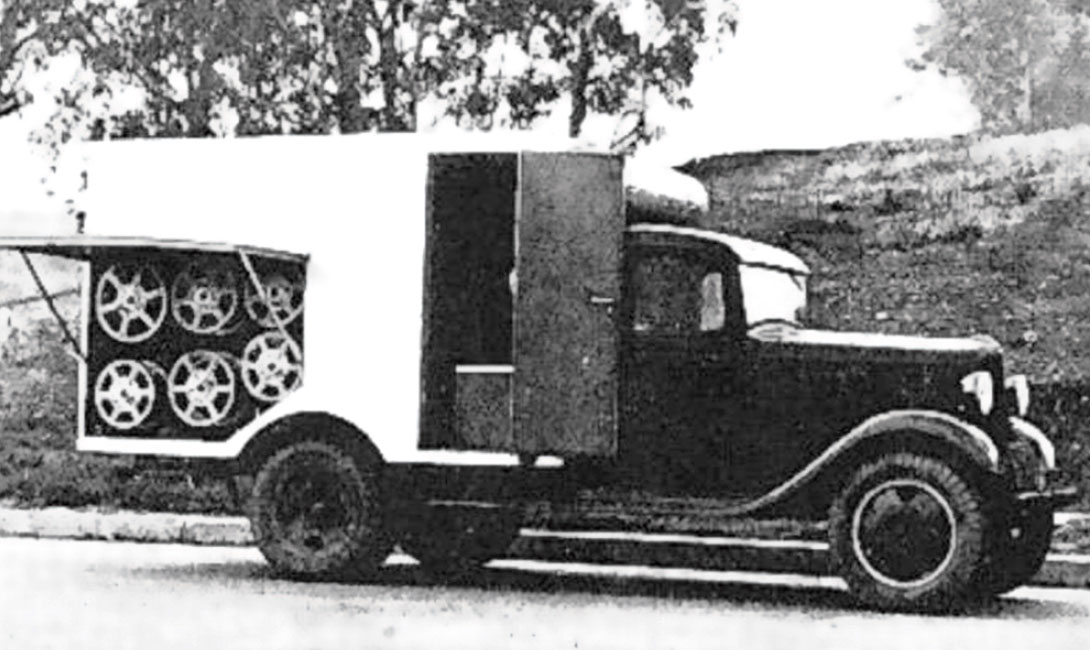
Reflection seismology became a practical exploration tool before digital computing existed. Recording and processing were largely analog, and interpretation depended heavily on manual workflows.

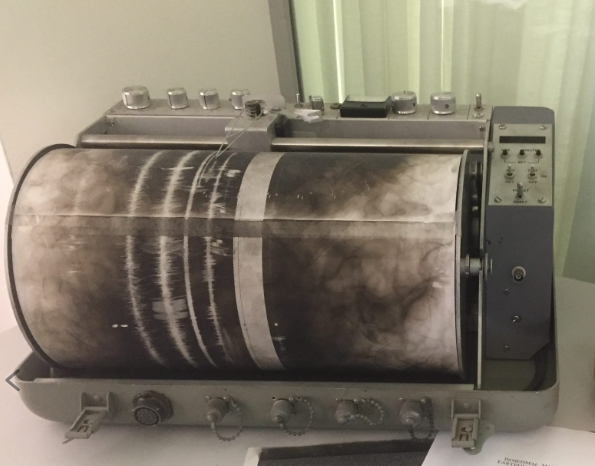
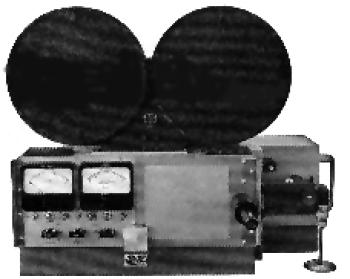
Smoked paper drums Optical film recorders Analog correlators Manual interpretation
  • Early signal chains used geophones, galvanometers, analog amplifiers, and photographic or drum-based recording media.
  • Core algorithmic ideas such as stacking, velocity analysis, and migration concepts were already emerging.
  • Common Depth Point stacking, Normal Moveout correction, and static corrections were understood conceptually, but processing remained slow and labor intensive.
1960s

The birth of digital seismic processing

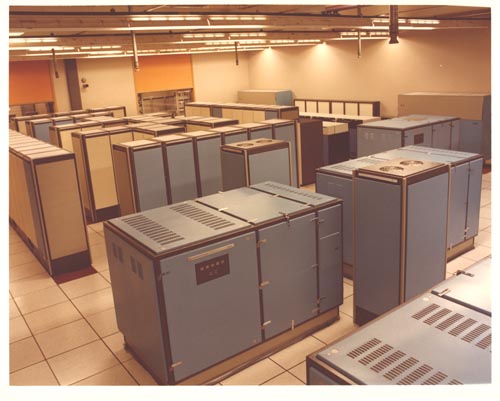
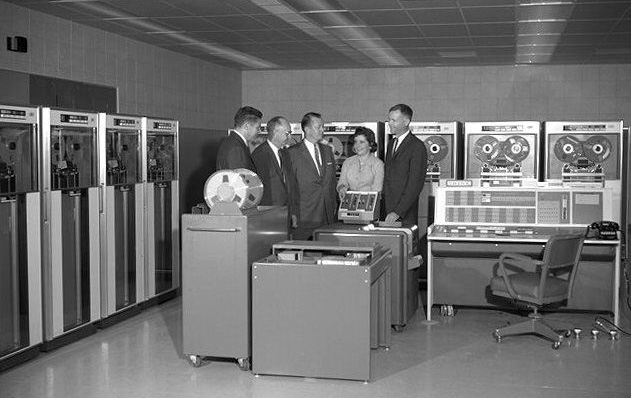
Oil companies and contractors began digitizing seismic traces and processing them on scientific computers. This is the point where seismic imaging clearly became a computing problem.

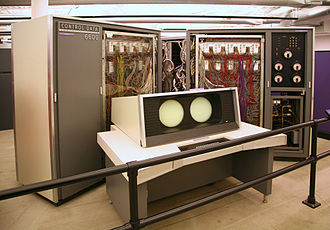
IBM 7090 Mainframe Era CDC 6600 Birth of Digital Signal Processing
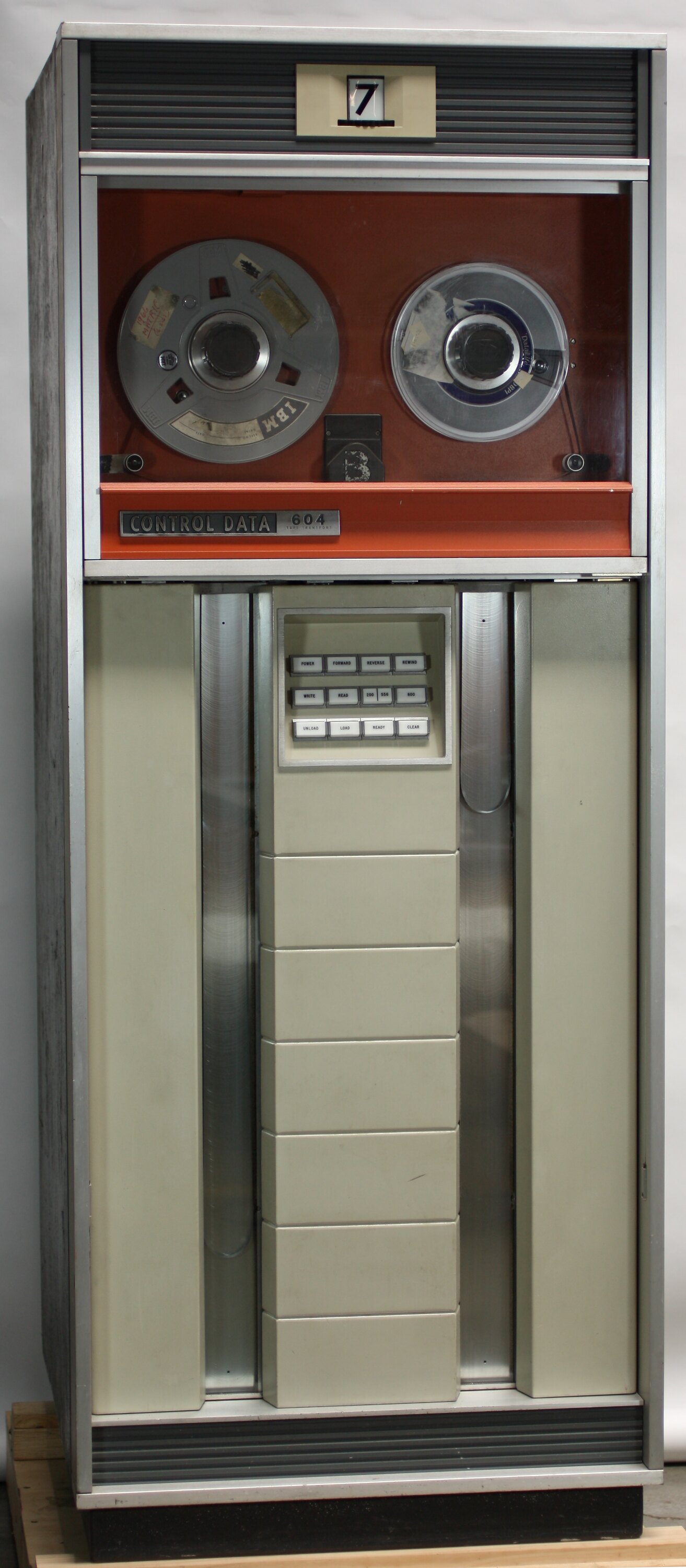
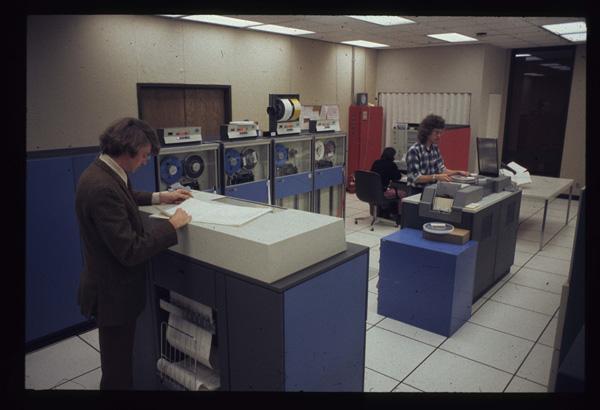
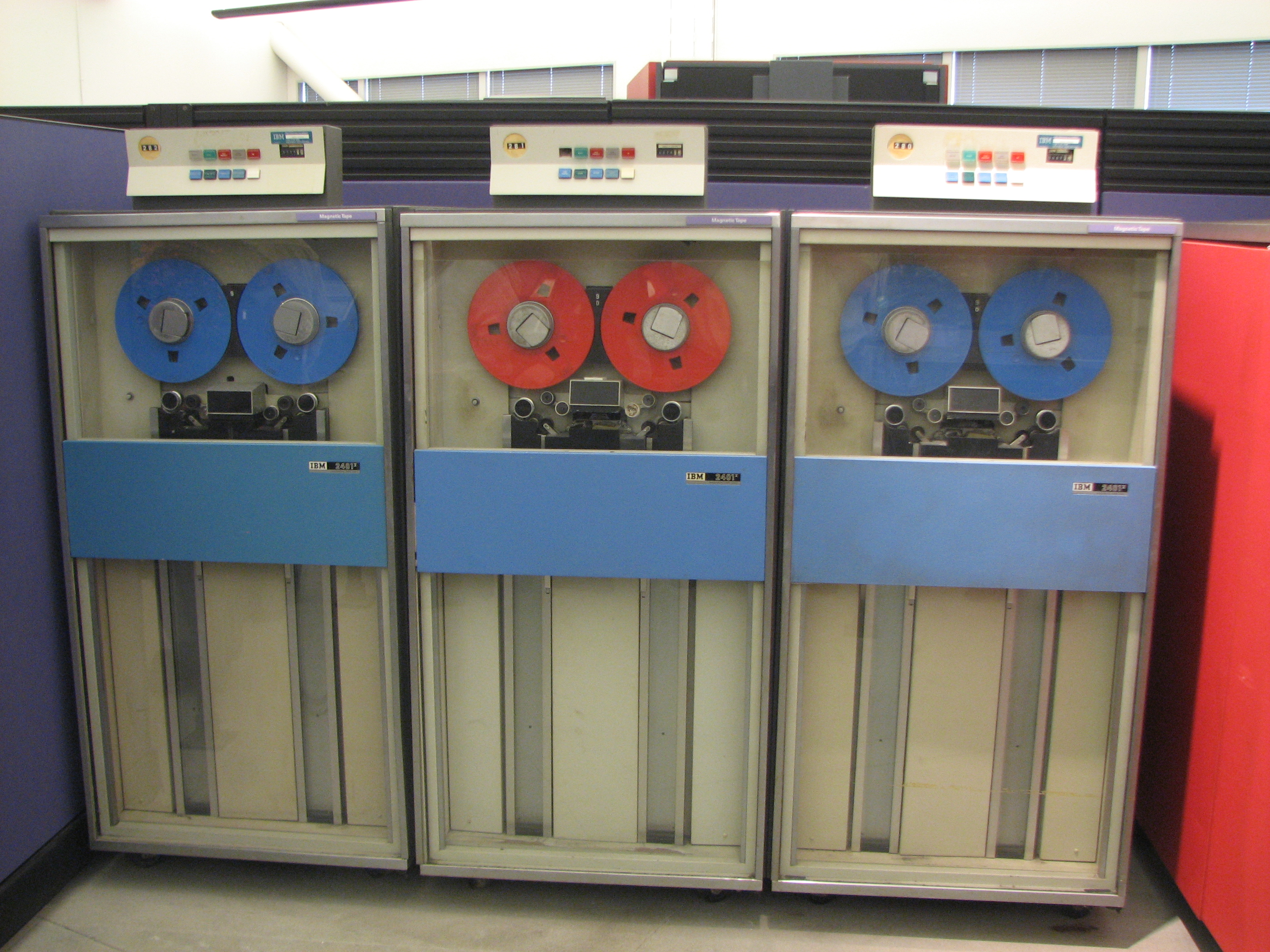
  • Data was stored on magnetic tape and sent to centralized processing centers.
  • Typical workloads included digital stacking, velocity analysis, filtering, deconvolution, and early migration experiments.
  • Batch processing on mainframes introduced overnight seismic production workflows.
1970s

Seismic becomes a major industrial compute workload

Multi-channel marine acquisition and larger digital surveys caused data volumes to climb sharply. Compute time became a strategic exploration resource.

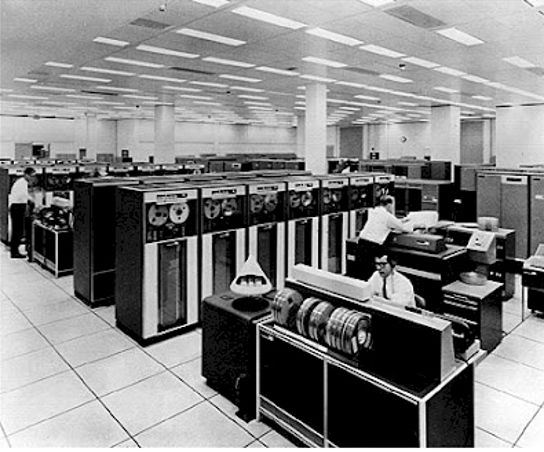
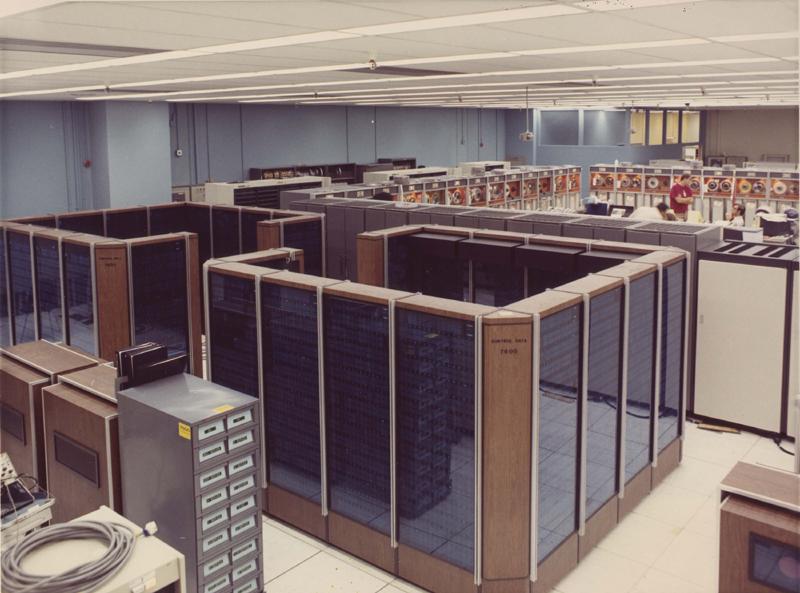
CDC 7600 IBM System/370 TI ASC SEG-Y era
  • Processing centers relied on large 9-track tape libraries and sequential pipelines.
  • Major contractors such as Schlumberger, CGG, and Western Geophysical expanded dedicated seismic computing operations.
  • Kirchhoff migration, finite-difference migration, Stolt migration, and predictive deconvolution became more important in production workflows.
1980s

Vector supercomputers transform imaging

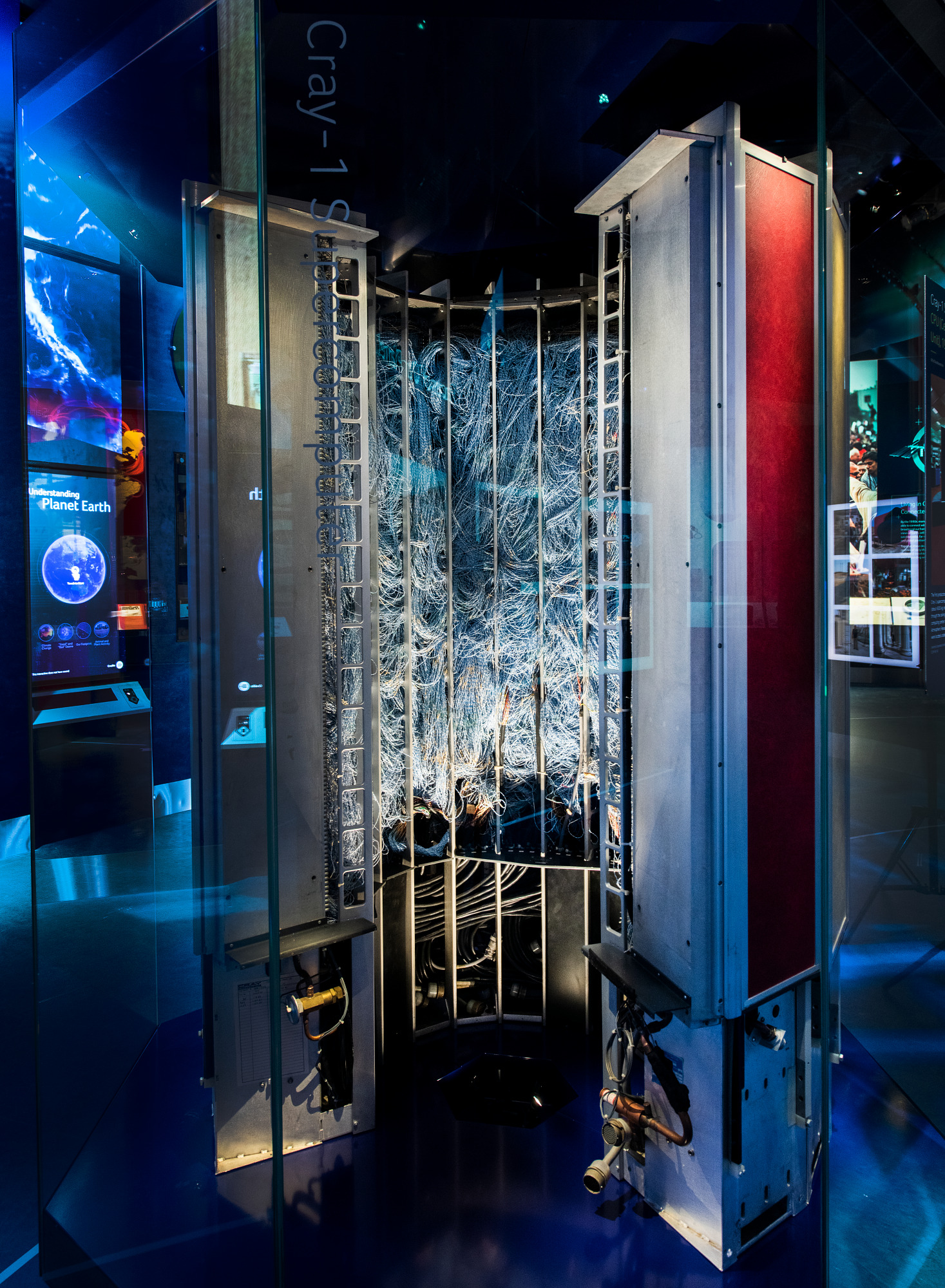
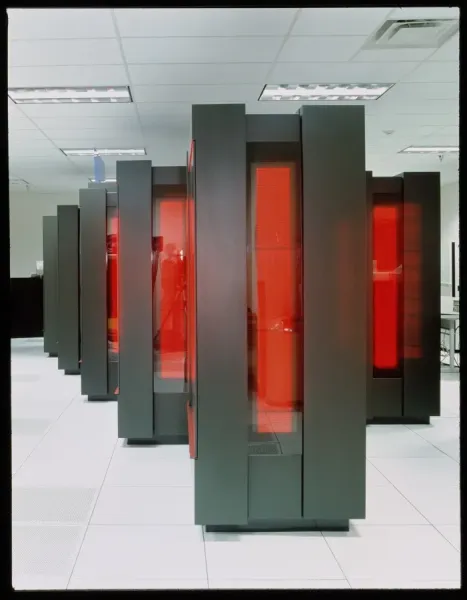
The move to vector systems drastically accelerated numerical kernels that dominate seismic processing, especially finite-difference wave propagation and wave-equation migration.

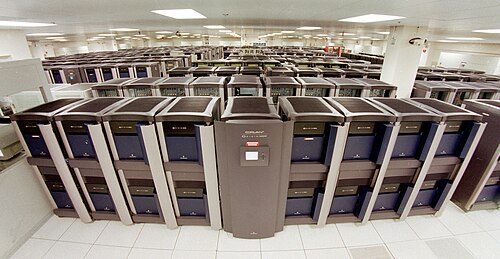
Cray-1 Cray X-MP Cray-2 3D seismic
  • Vector pipelines and high memory bandwidth matched the long numerical loops in seismic codes.
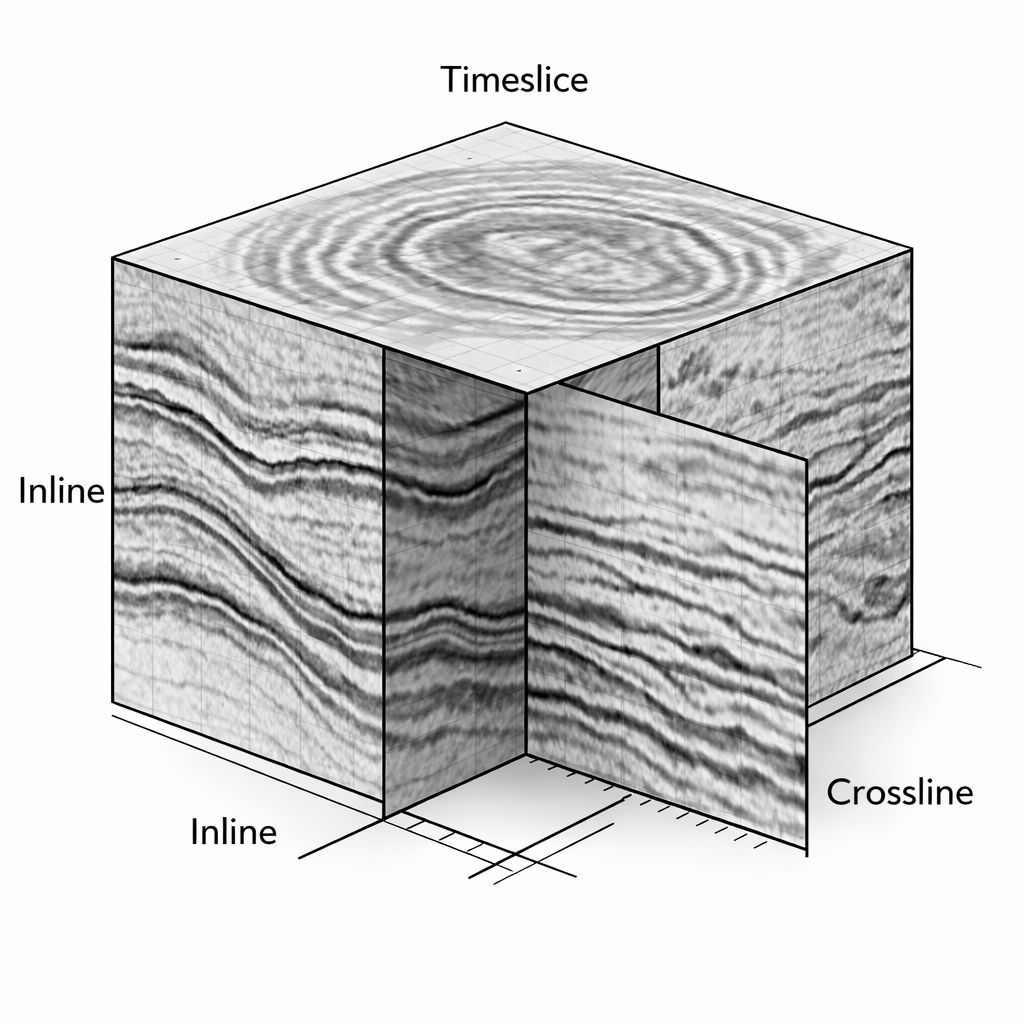
  • The industry adopted 3D stacking and migration, moving from 2D lines toward volumetric seismic cubes.
  • Dip Moveout and AVO analysis expanded the physical and interpretive value of seismic datasets.
1990s

Massively parallel computing takes over

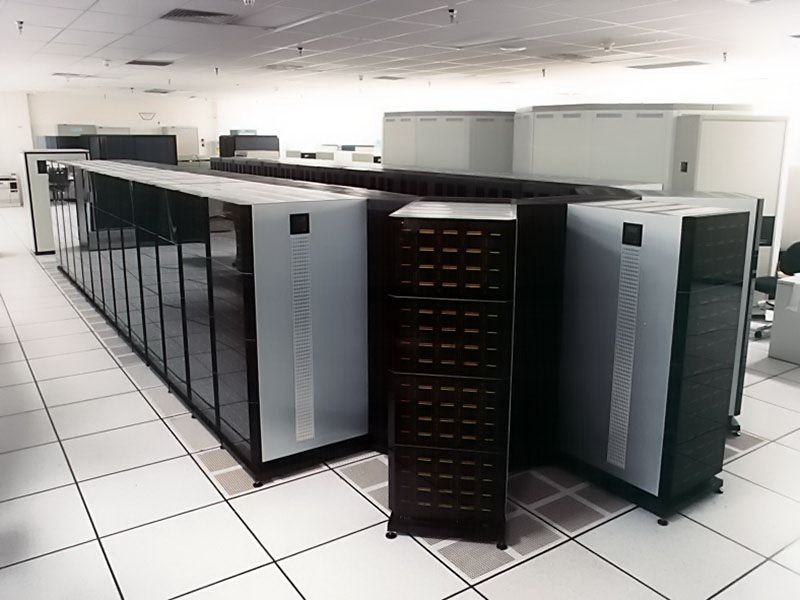
As data volumes and model sizes grew, shared-memory vector systems were no longer enough. Seismic processing shifted to distributed-memory parallel machines. RAID-based staging begins to reduce the reliance on tape for intermediate processing.

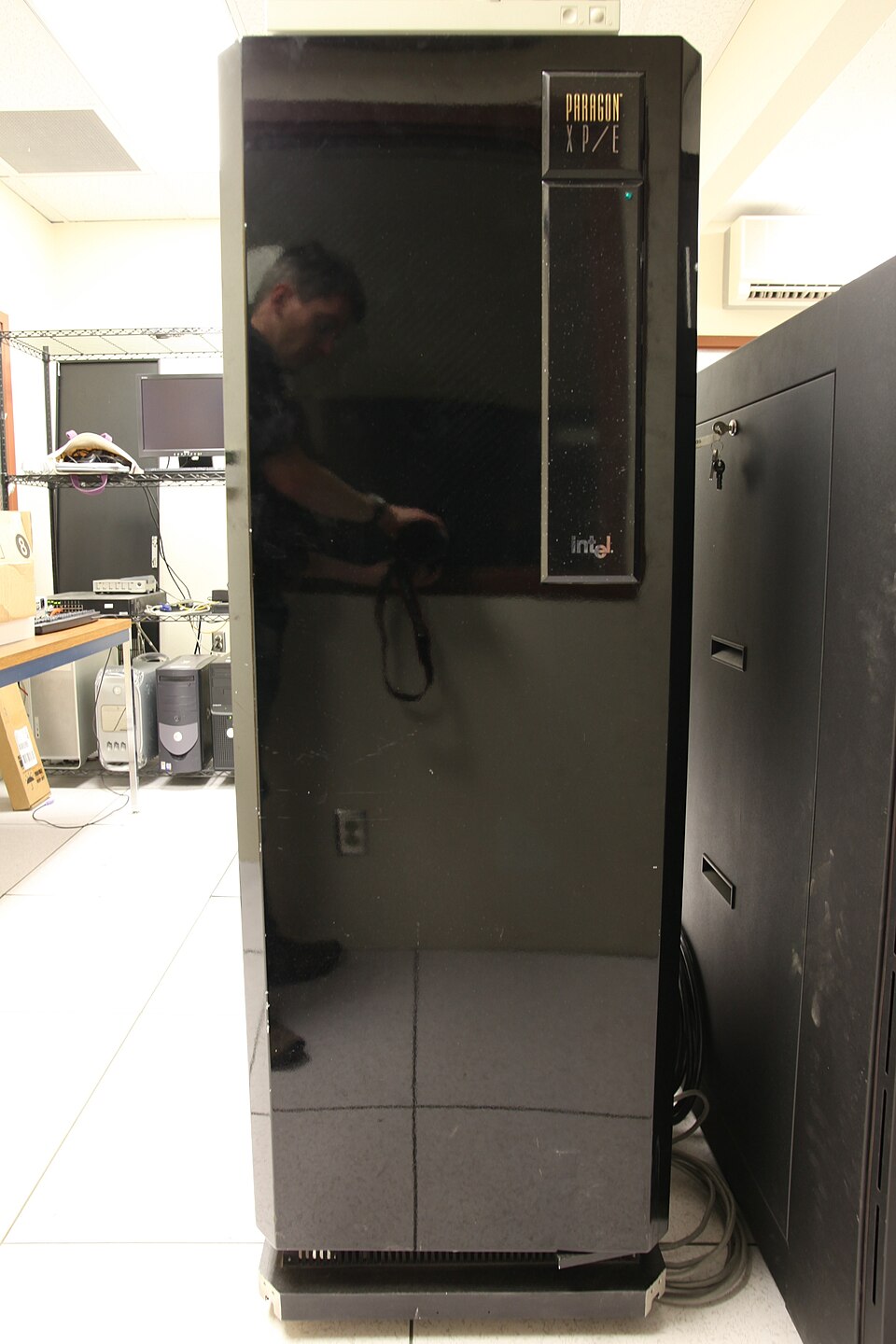
Connection Machine CM-5 Intel Paragon MPI 3D prestack migration
  • Domain decomposition and message passing became standard design patterns.
  • Pre-stack time migration and large-scale 3D imaging became practical on parallel systems.
  • Network latency and distributed storage started to matter as much as peak floating-point speed.
2000s

Commodity Linux clusters replace proprietary supercomputers

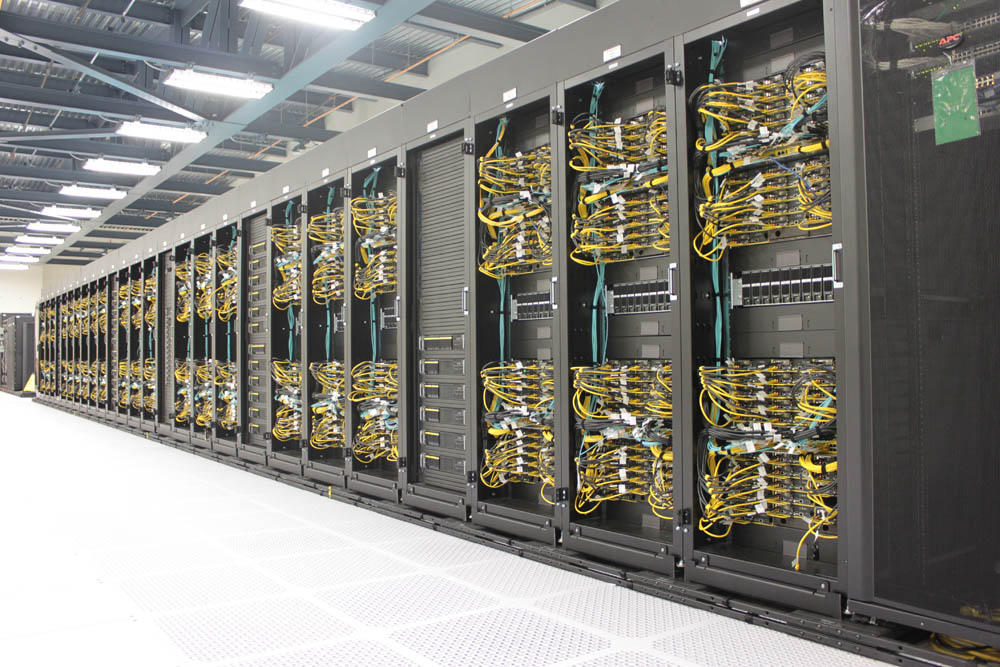
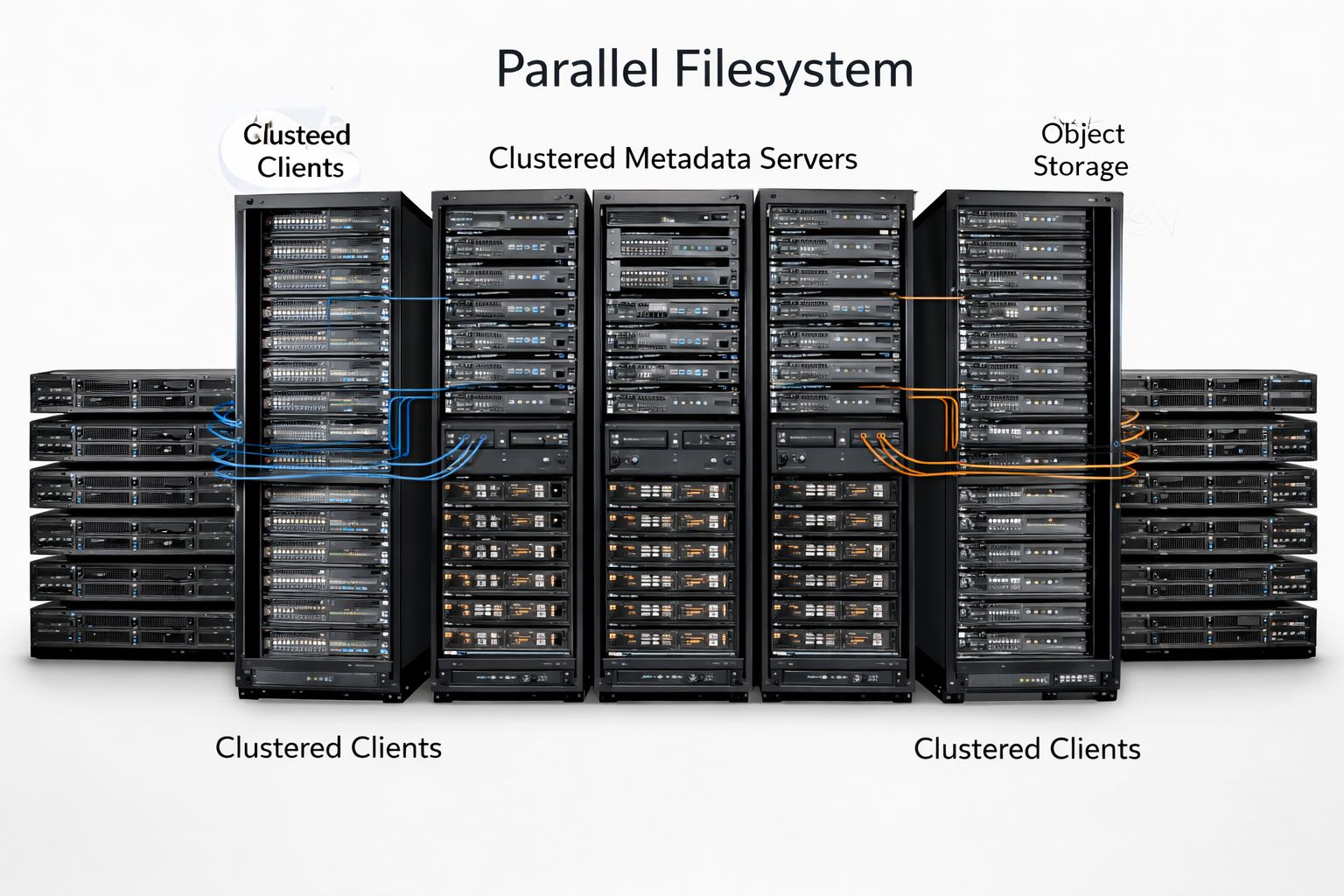
x86 clusters with InfiniBand and parallel filesystems became the standard architecture for commercial seismic centers.

Linux clusters x86 CPUs InfiniBand Lustre / GPFS
  • Clusters scaled to thousands and then tens of thousands of CPU cores.
  • Pre-stack depth migration, tomography, beam migration, and early production RTM became central for deepwater and subsalt imaging.
  • Storage and network design became first-order concerns, not afterthoughts.
2010s

GPU acceleration changes the economics of wave physics

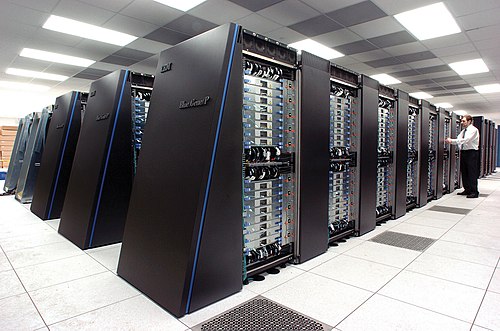
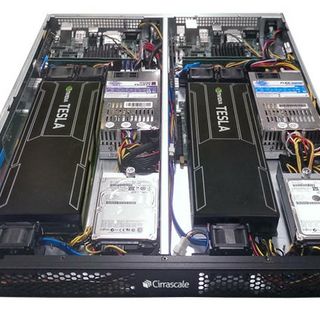
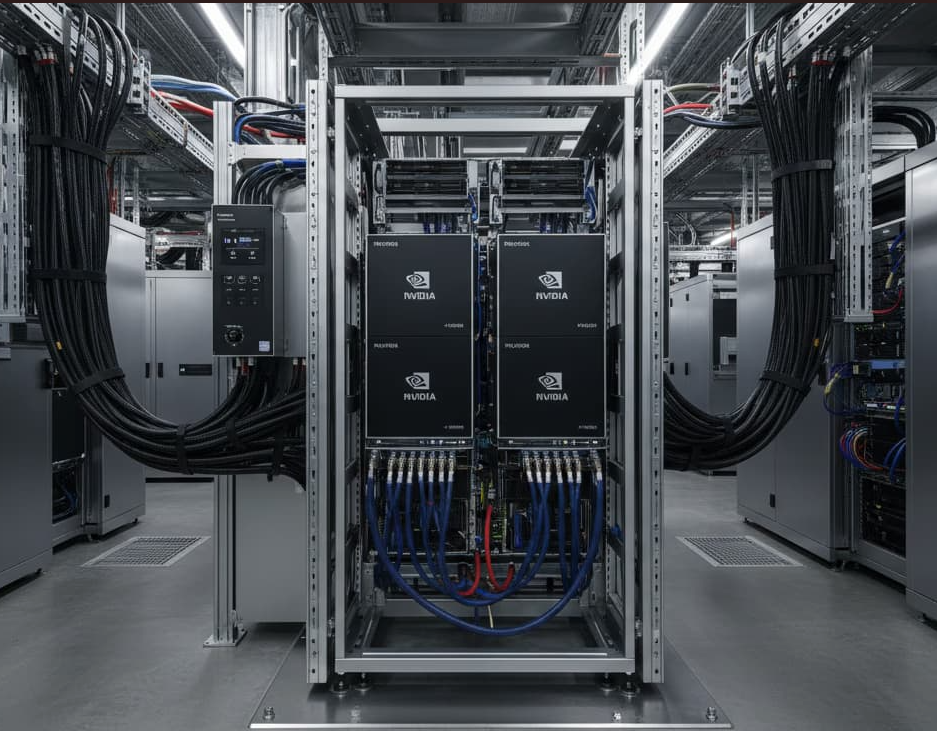
GPUs delivered massive throughput and memory bandwidth for stencil-heavy wave propagation, making RTM and FWI much more practical at large scale.

HPC / AI Convergence GPU clusters RTM / FWI Cloud Options
  • Reverse Time Migration became a mainstream production workload for complex geology, especially subsalt.
  • Full Waveform Inversion moved from research-heavy to operationally significant in selected programs.
  • Modern systems combined CPU control paths with GPU numerical kernels and very high-bandwidth storage.

What changed in the infrastructure stack

Seismic HPC repeatedly evolved across the same planes: compute, network, storage, control, and facility power. Algorithm demands shaped each of them.

Era Compute plane Network plane Storage plane Control / facility
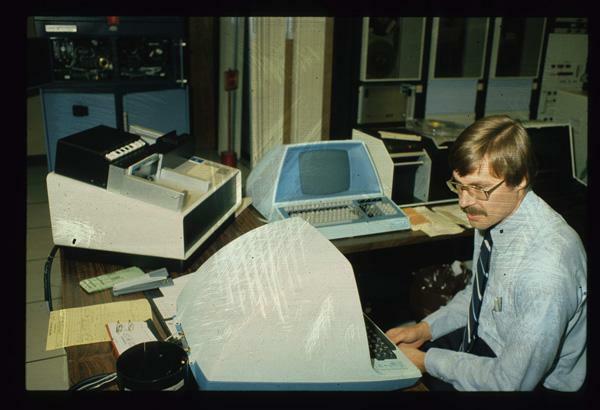
1970s Mainframes with scalar processors and FORTRAN codes Minimal network fabric; physical tape movement dominated 9-track tape and sequential staging Operator-run batch queues in specialized raised-floor facilities
1980s Vector supercomputers with very high memory bandwidth Mostly shared-memory or proprietary interconnects Disk for active datasets, tape for archive Growing scheduler sophistication and larger cooling systems
1990s Distributed-memory parallel machines Custom high-speed fabrics become critical RAID arrays and early parallel I/O Early cluster management and multi-megawatt facilities
2000s x86 multi-core Linux clusters InfiniBand becomes dominant for MPI scaling Lustre and GPFS become standard Mature schedulers such as PBS and Slurm in purpose-built HPC datacenters
2010s–2020s GPU-dense clusters with CPU control paths and HBM-equipped accelerators HDR/NDR InfiniBand, RDMA, adaptive routing NVMe burst buffers, parallel filesystems, object storage, extreme throughput Containerized software stacks, workflow engines, liquid cooling, and 10–100 MW-scale facilities